

What a wedding timeline looks like (based on my experience)
When couples begin their wedding planning journey, much emphasis is placed on religion, tradition, and culture. These elements absolutely matter. Yet from a wedding photographer perspective, what often shapes the experience just as much is the structure of the wedding day itself.
A thoughtful timeline protects your energy, preserves meaningful moments, and allows the main event to unfold naturally. Below, I am sharing a clear overview of what a well designed wedding day can look like, based on years of experience documenting celebrations with intention and care.
Details that set the tone
Proposed documentation time: 45 minutes
The beginning of your wedding day deserves space. Your rings, dress, shoes, bouquet, invitations, perfume, and heirlooms are part of your story.
I recommend at least 30-45 minutes in a calm, well lit space. If the hotel room feels crowded or visually busy, we may step into the lobby or outdoors. This small adjustment often elevates the aesthetic result significantly.
During wedding planning, couples sometimes underestimate this window. Yet these images quietly introduce the narrative before the main event begins.

getting ready moments
Proposed documentation time: 60 minutes
This is where emotion builds. Hair being styled. Makeup brushes in motion. Laughter between bridesmaids. A quiet moment between the groom and his parents.
From a wedding photographer point of view, this part of the wedding day is rich with authenticity. It sets the emotional tone for the ceremony and the main event.
While grooms often need less time to dress, meaningful exchanges still happen. I encourage couples to allow enough time so nothing feels rushed before stepping into the main event.

portrait time and first look decisions
Proposed documentation time: 30 to 45 minutes for portraits
15 minutes for a first look
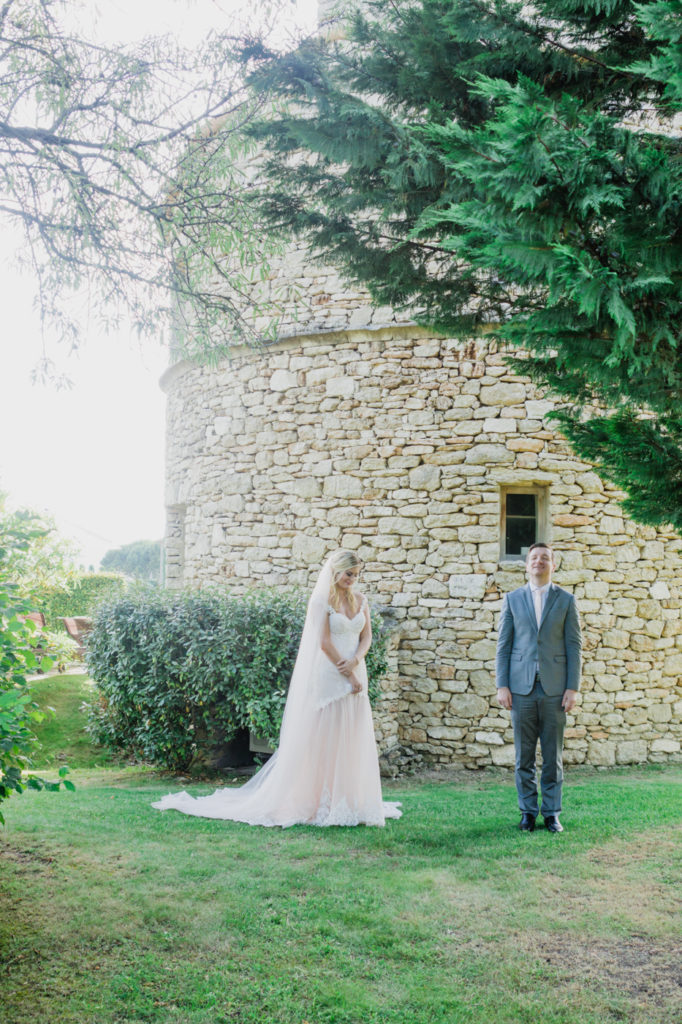
Portrait time before the ceremony allows you to pause and breathe. You will never look exactly as you do on your wedding day again. Give yourself 30 to 45 minutes to preserve that.
The first look remains one of the most discussed parts of wedding planning.
Pros
You share an intimate moment without an audience. It eases nerves and allows genuine reactions to unfold naturally.
Cons
Some couples prefer to preserve the anticipation for the aisle moment. In certain cultures, seeing each other beforehand is considered unconventional.
There is no universal rule. What matters is what aligns with your values and the flow of your wedding day.

ceremony and venue atmosphere
Proposed documentation time: 45 minutes for ceremony
15 to 30 minutes for empty venue coverage
Whether religious or civil, this is the heart of the wedding day. The ceremony is the main event in its purest form.
I always arrive before guests are fully seated. This allows me to document the ceremony setup and venue details without distractions.
For the wedding reception space, I recommend capturing it before guests enter. These quiet images preserve the design vision created during wedding planning alongside your wedding planner.
family portraits and sunset session
Proposed documentation time: 40 minutes for family
25 minutes before sunset for couple session
Family portraits require structure. Allocate roughly three minutes per group. If you have 15 groupings, plan for about 45 minutes.
Clear communication with your wedding planner helps ensure family members are present and ready.
Later, about 25 to 30 minutes before sunset, we step away briefly. This mini session often produces some of the most refined images of your wedding day thanks to soft natural light.

cocktail hour and reception timeline
Proposed documentation time: 40 minutes
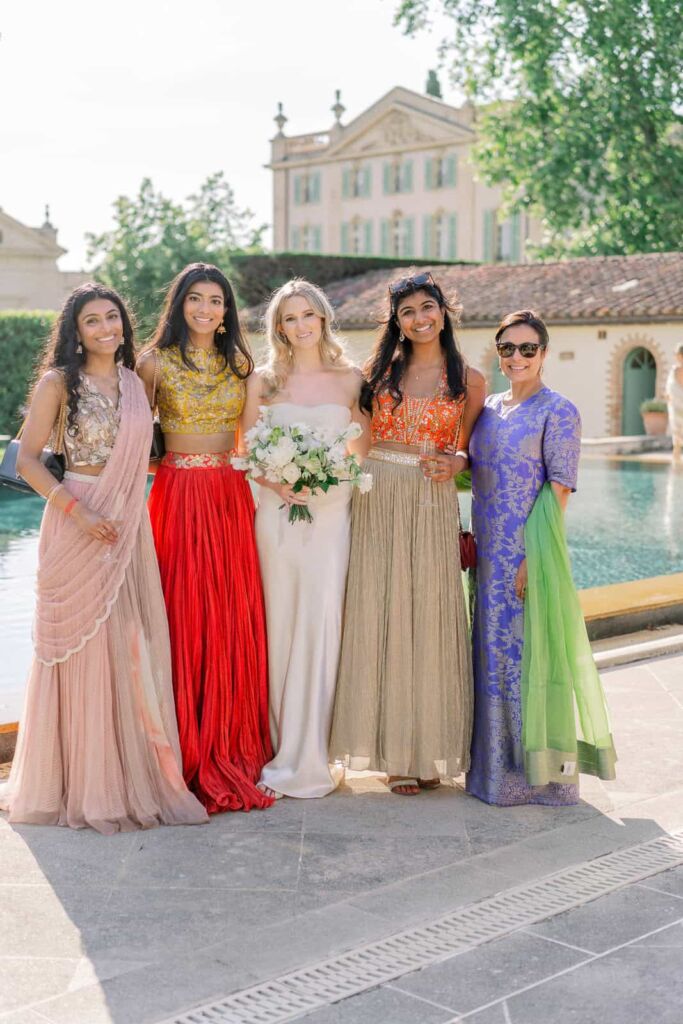
Cocktail hour is more than a transition. It connects the ceremony to the wedding reception and allows guests to relax before dinner.
From a reception timeline perspective, this window is ideal for candid interactions, congratulations, and atmosphere shots. A well paced cocktail hour supports the energy shift into the evening.
The wedding reception then unfolds in structured chapters. Entrance. Speeches. Dinner. The first dance. Each moment deserves breathing room.

first dance and evening celebrations
Proposed documentation time: 10 to 15 minutes for the first dance
Ideally, the first dance happens when guests are emotionally present but not yet scattered across the dance floor. Placing the first dance toward the end of cocktail hour or just after dinner maintains attention.
As the dance floor opens, energy rises. The dance floor becomes the emotional release of the wedding day. I recommend scheduling traditions like the cake cutting and bouquet toss before the party is in full swing so they are properly witnessed and photographed.
Once the dance floor is packed and the wedding reception reaches its peak, guests are fully immersed. This is why I typically stay until the celebration is well established rather than until the very last song.
extra considerations for a seamless evening
If your wedding reception extends late into the night, especially outdoors, speak with your wedding planner about ambient lighting. Good lighting transforms the dance floor atmosphere and preserves the elegance of your images.
Without thoughtful lighting, guests may appear underexposed against a dark background. Proper preparation ensures your wedding day feels cohesive from beginning to end.
A carefully structured wedding day supports your experience, protects your energy, and enhances the final gallery. Strong wedding planning, collaboration with your wedding planner, and guidance from your wedding photographer create space for presence rather than stress.
Your timeline is not just a schedule. It is the framework that allows the main event to unfold with intention, grace, and clarity.

WHEN WILL YOU LEAVE?
One of the questions I am most frequently asked during wedding planning is, “How long do you stay on the wedding day?”
My answer is simple and strategic: I stay until the party is truly launched and the energy on the dance floor is fully alive.
From a professional wedding photographer perspective, there is a point during the wedding reception where everything meaningful has been beautifully documented. The ceremony, the main event moments, the first dance, speeches, cake cutting, and the emotional highlights are preserved. Once the dance floor is packed and guests are fully immersed in celebration, the atmosphere shifts from storytelling to pure party mode.
At that stage, photographs tend to become repetitive. Guests are dancing, moving quickly, and often less aware of the camera. Staying significantly longer rarely adds depth to your gallery. Instead, it increases coverage time without increasing value.
For intimate celebrations, this approach works even better. A smaller guest count means portraits, family groupings, and cocktail hour interactions require less time. The entire reception timeline flows more efficiently, giving you space to enjoy your wedding reception without feeling rushed or over photographed.
The goal is not to document every second of the wedding day. The goal is to intentionally capture the moments that matter most, so you can fully step into your celebration with presence and peace of mind.
If my photographic voice resonates with you and you can imagine your wedding day through my lens, I would be truly happy to hear from you. Send me a message at hello@marinoandrea.com and let’s explore how we could work together.
